
Presenter Profile
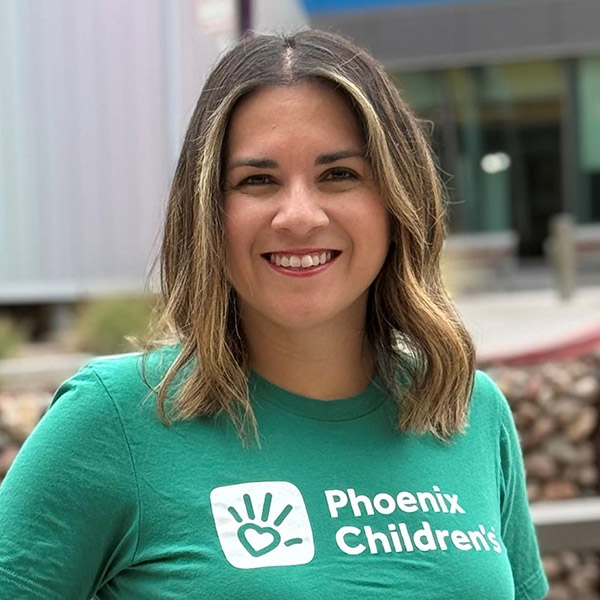
Blanca Villaseñor, CPST-I
Injury Prevention Program
Phoenix Children’s
bvillasenor@phoenixchildrens.com
Blanca Villaseñor is an Sr. Injury Prevention Specialist with Phoenix Children’s Injury Prevention Program in Phoenix, AZ where she is deeply dedicated to child passenger safety. Since becoming a Child Passenger Safety Technician in 2014 and later an instructor in 2017, she has been a safety advocate for families providing education and hands-on support both in the hospital setting and throughout the community. Blanca also serves as a Special Transportation Needs Instructor and is currently the only mentor in Arizona for the Safe Travel for All Children (STAC). With her experience in adaptive restraints, she mentors fellow safety advocates and helps expand access to specialized restraint options for families. Blanca continues to develop partnerships in the community and hospital setting to help ensure every child can travel safely.
Presentations
Establishing and maintaining a successful Adaptive Needs Seating Clinic
Michelle Nichols, CPST-I
Larisa Nefedov, MA, CPST-I
Blanca Villasenor, CPST-I
Presenters from two major hospital systems share successes and discuss challenges of running an Adaptive Needs Assessment Clinic from initial development through current implementation.
Follow the challenges and learnings of two major children’s hospital systems in the development and successful implementation of their Adaptive Needs Seating Assessment Clinics. In this session we discuss the need for adaptive seating clinics and the need for thorough, effective evaluation to ensure that our most vulnerable and medically fragile children are able to be transported safely with their caregivers/families.
We discuss the evolution of these seating clinics including barriers to the establishment of seating clinics such as staffing time, space to complete assessments in a welcoming environment, methods for completion of initial evaluation and obtaining demonstration product to ensure all needs are met and that seating systems are a good fit for the child as and people using the product as well as taking the time to ensure these seating systems are compatible in family and/or caregiver vehicles. Unfortunately many providers and therapists prescribing this necessary equipment are not well-versed on child passenger safety as a whole so many mistakenly order incorrect or incompatible equipment for children and their families. Presenters walk through language in letters of medical necessity that our teams have been successful with including diagnosis codes and medical equipment coding for insurance billing purposes.
We then take workshop participants further, discussing the partnerships and connections made with durable medical equipment providers to follow families from the initial seating assessment, the submission of the letter of medical necessity, to medical equipment provider intake, through the insurance approval/denial process, through funding of the seating system and finally delivery and education for families/caregivers on installation and proper use of the product received.
Additionally, we will discuss learnings and challenges in our multi-disciplinary support for Administrative Rule advocacy and will touch on legislative changes made to support the requirement for insurance funding for children in need of this valuable equipment.
1. Learn how two hospital systems built Adaptive Needs Assessment Clinics.
2. Recognize challenges and discover successful remedies, and how programs can evolve.
3. Understand the need for follow-through after the initial assessment has been completed.